Stone Library · Eight material families
See the material before reading the meaning.
Eight selected natural-crystal families, observed through visible colour, pattern, translucency and cultural association. Meaning can remain personal; material information should stay clear.
Browse by colour and character
Every stone begins as a specific material
Each natural crystal has its own colour, pattern, translucency and response to light. Auriclare answers those differences with hand carving, then places traditional associations after the material as a language you may keep, reshape or leave behind.
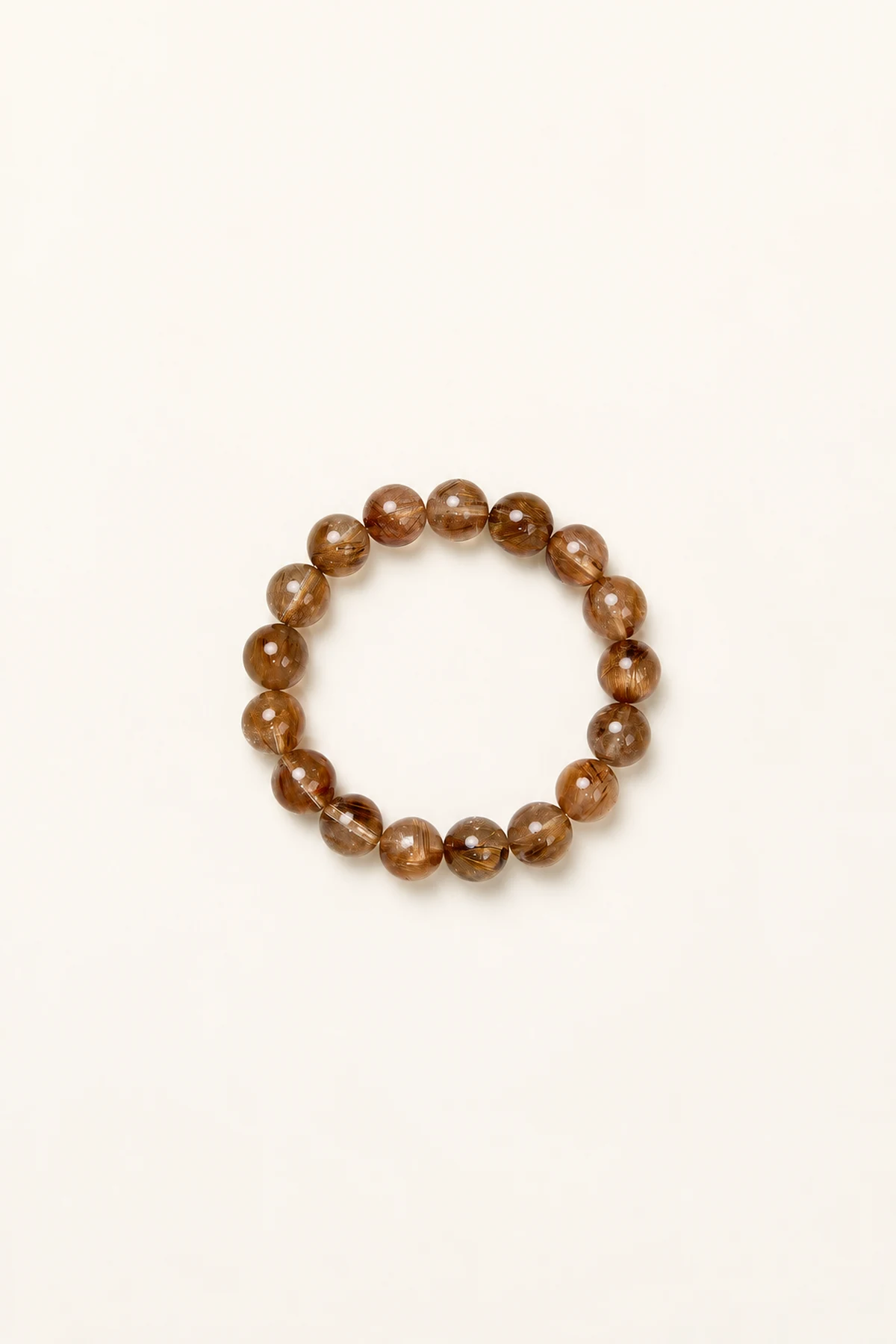
Copper Rutilated Quartz
Copper rutilated quartz is valued for the naturally visible, hair-fine threads within the stone. Some appear sparse; others gather into denser paths that change with the light.
Explore the stone →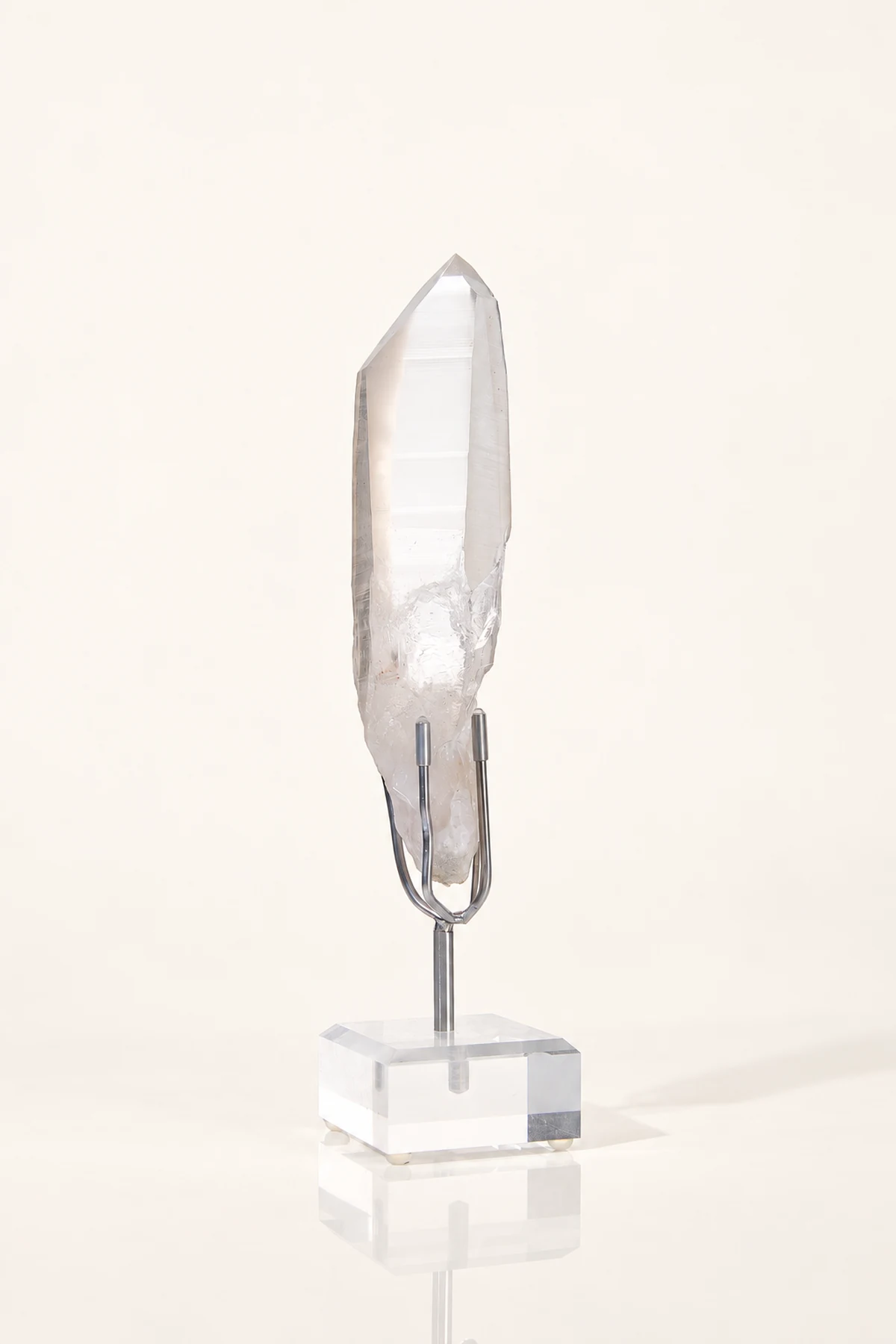
Clear Quartz
Clear quartz invites a closer look through transparency, soft clouding and natural inclusions. Hand carving preserves those differences so its light changes gently with angle, skin tone and everyday surroundings.
Explore the stone →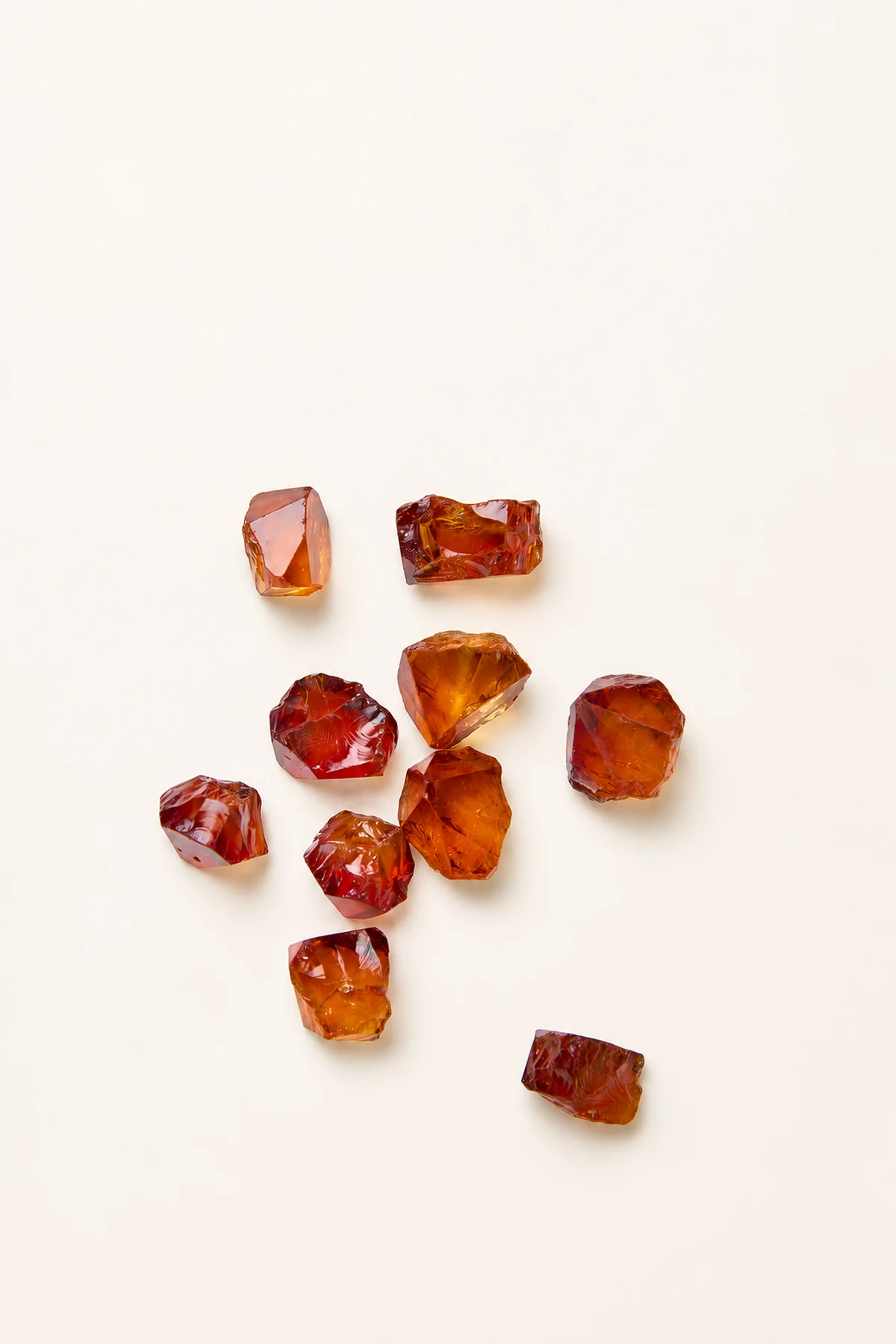
Citrine
Citrine moves from gentle yellow to warmer gold. Hand carving keeps the colour layers and light of the stone visible, so the finished form can feel restrained yet present in everyday dress.
Explore the stone →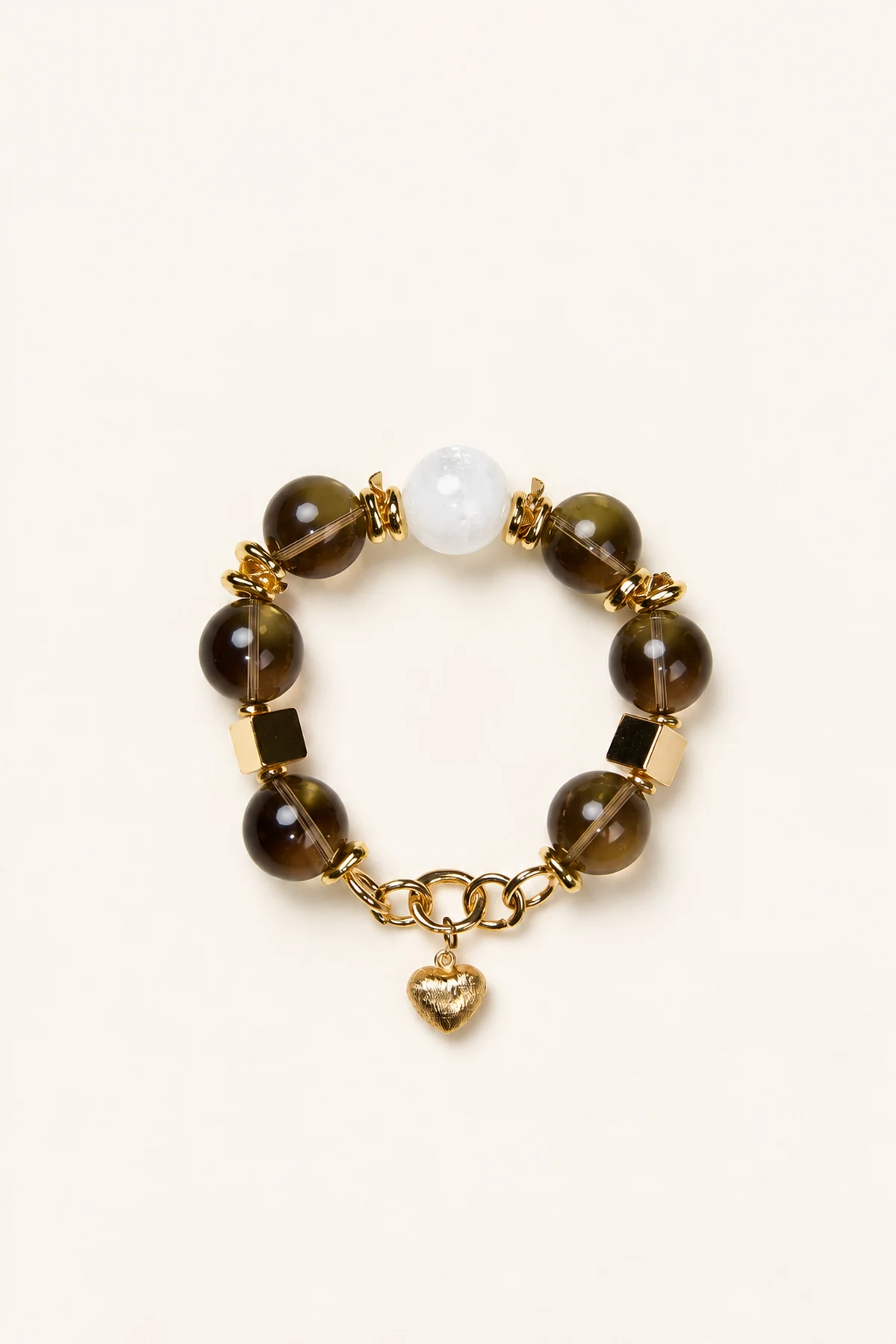
Smoky Quartz
Smoky quartz can look like light moving through tea: translucent pale brown through deeper smoky layers. Carved lines and the internal shifts of the stone answer one another in changing light.
Explore the stone →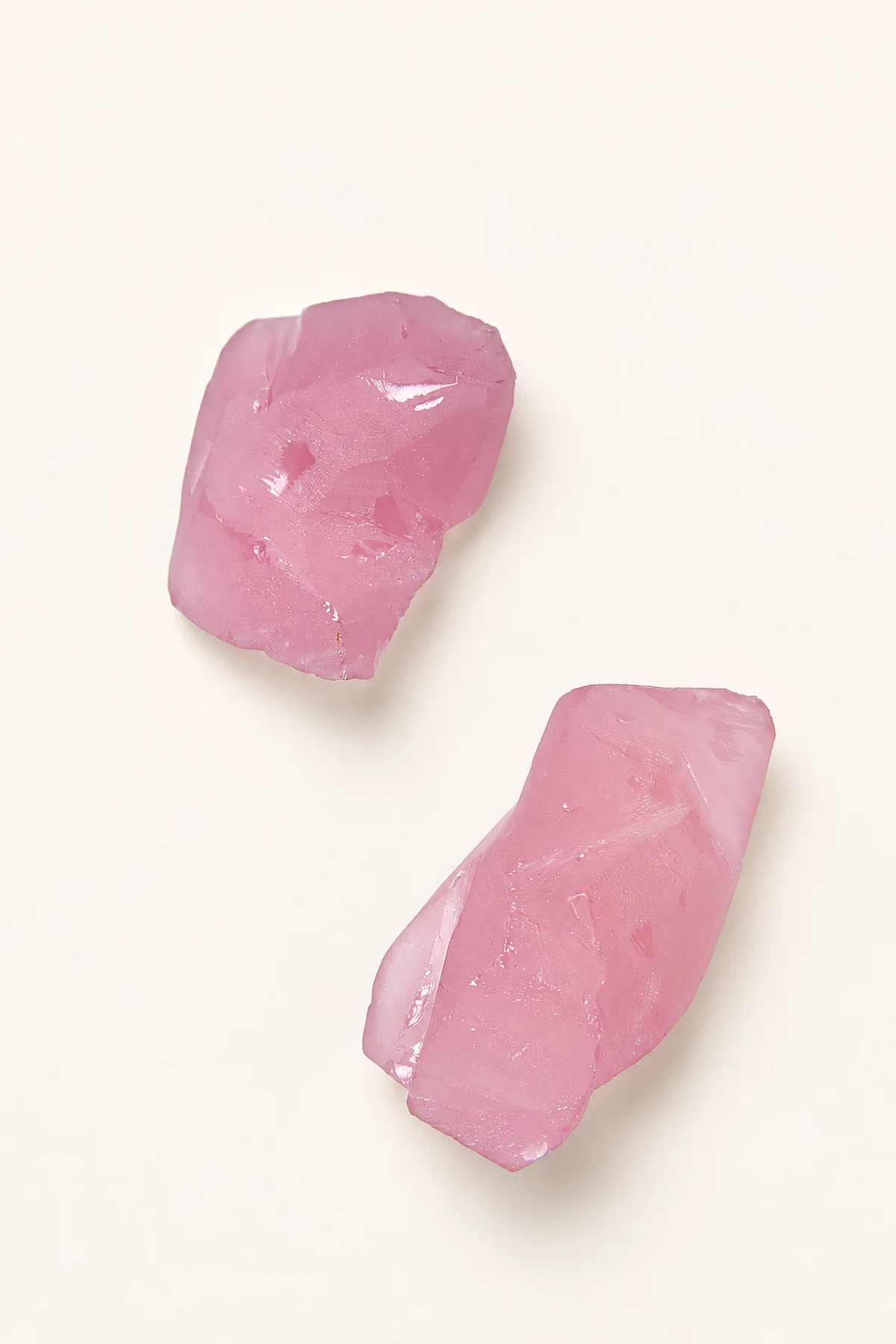
Mozambique Rose Quartz
Mozambique rose quartz brings together soft pink, translucency and natural haze. These qualities make it especially suited to carved pieces worn close to the skin and noticed slowly over time.
Explore the stone →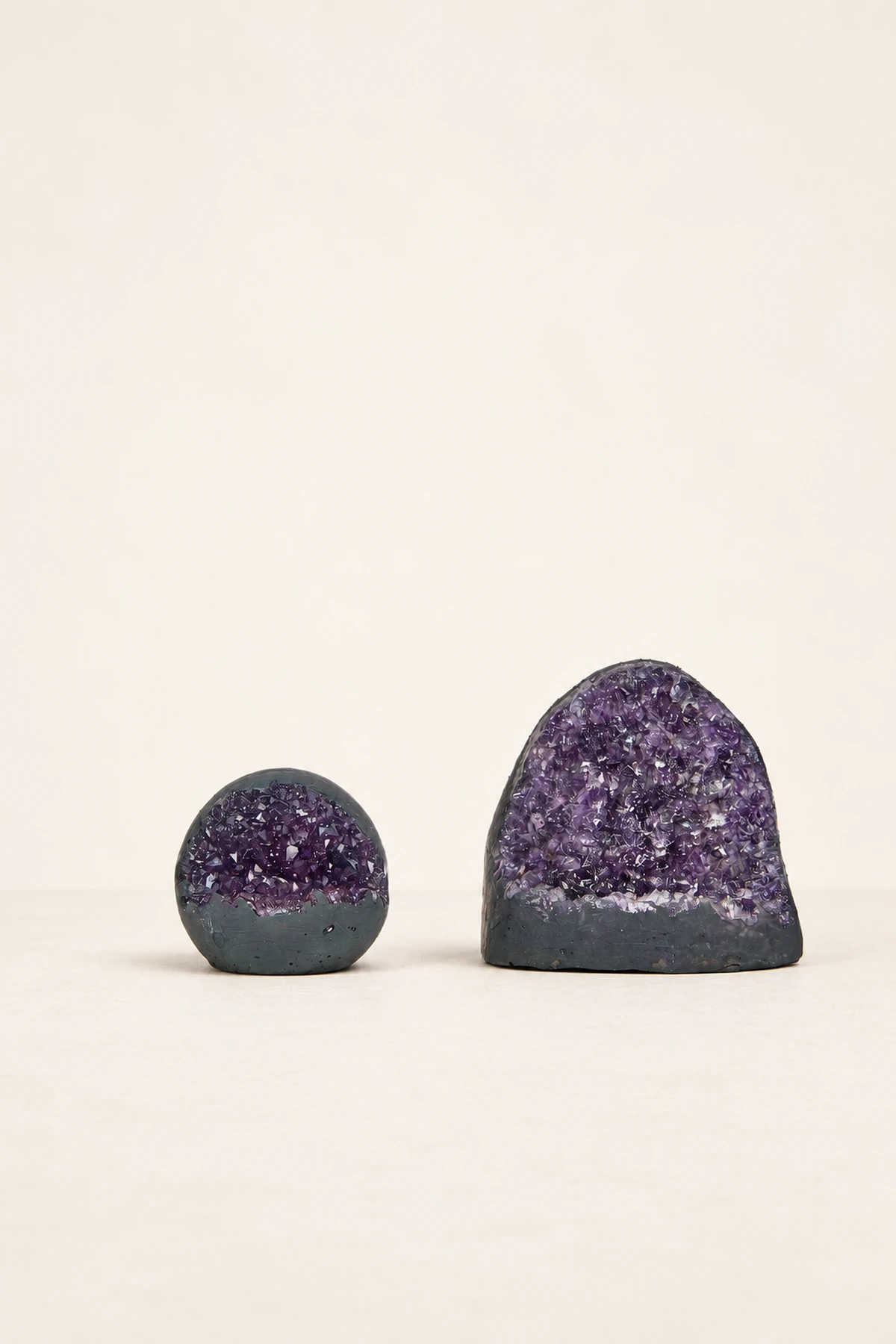
Amethyst
Amethyst can hold gentle haze-like violet, strong deep purple and several colour bands in a single stone. Hand carving follows those changes, allowing colour, light and line to appear differently as the piece is worn.
Explore the stone →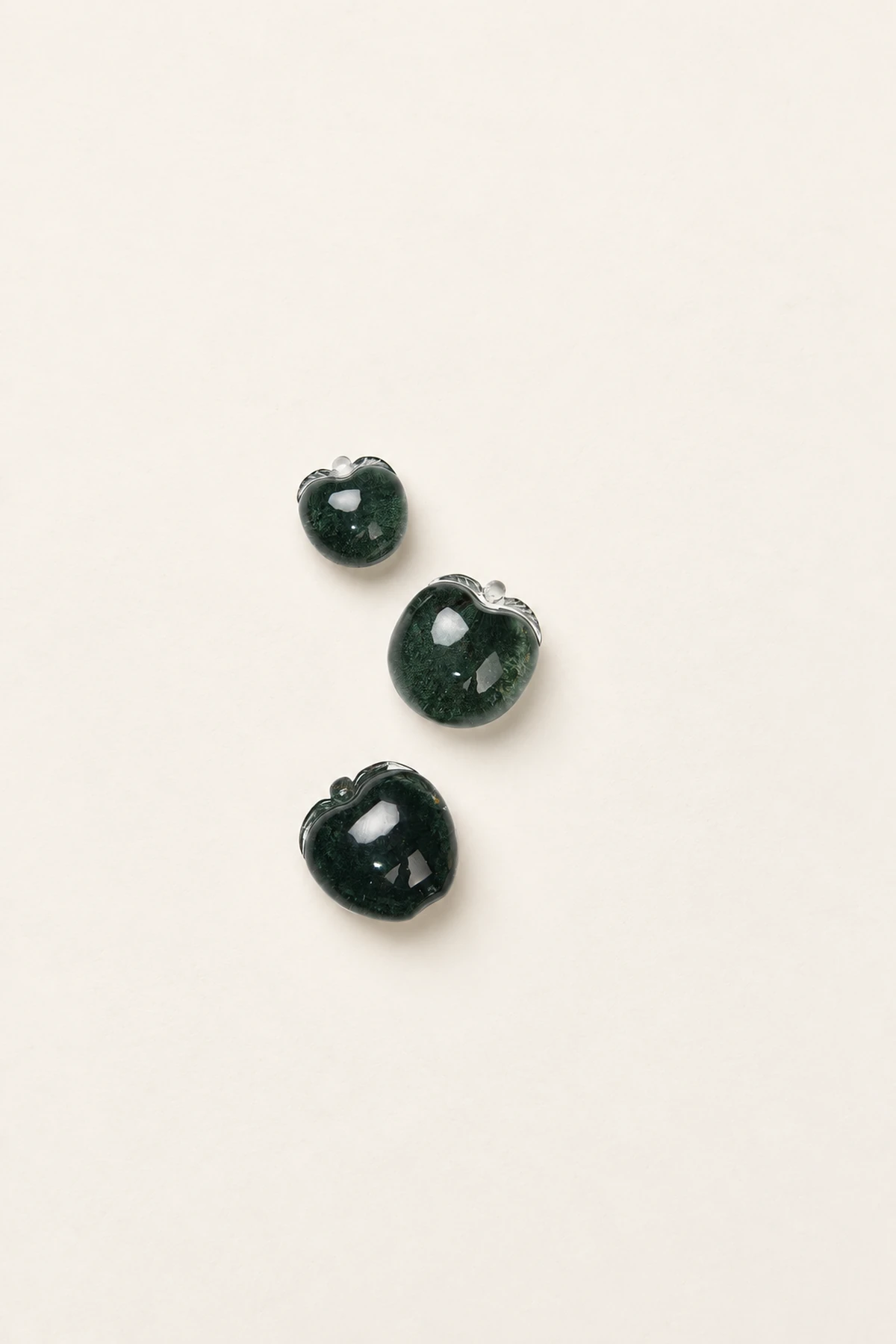
Green Phantom & Green Rutilated Quartz
The visual focus of this group is the green material naturally distributed within the stone: green phantom and green rutilated forms may appear light or dense, and extend in different directions through the translucency.
Explore the stone →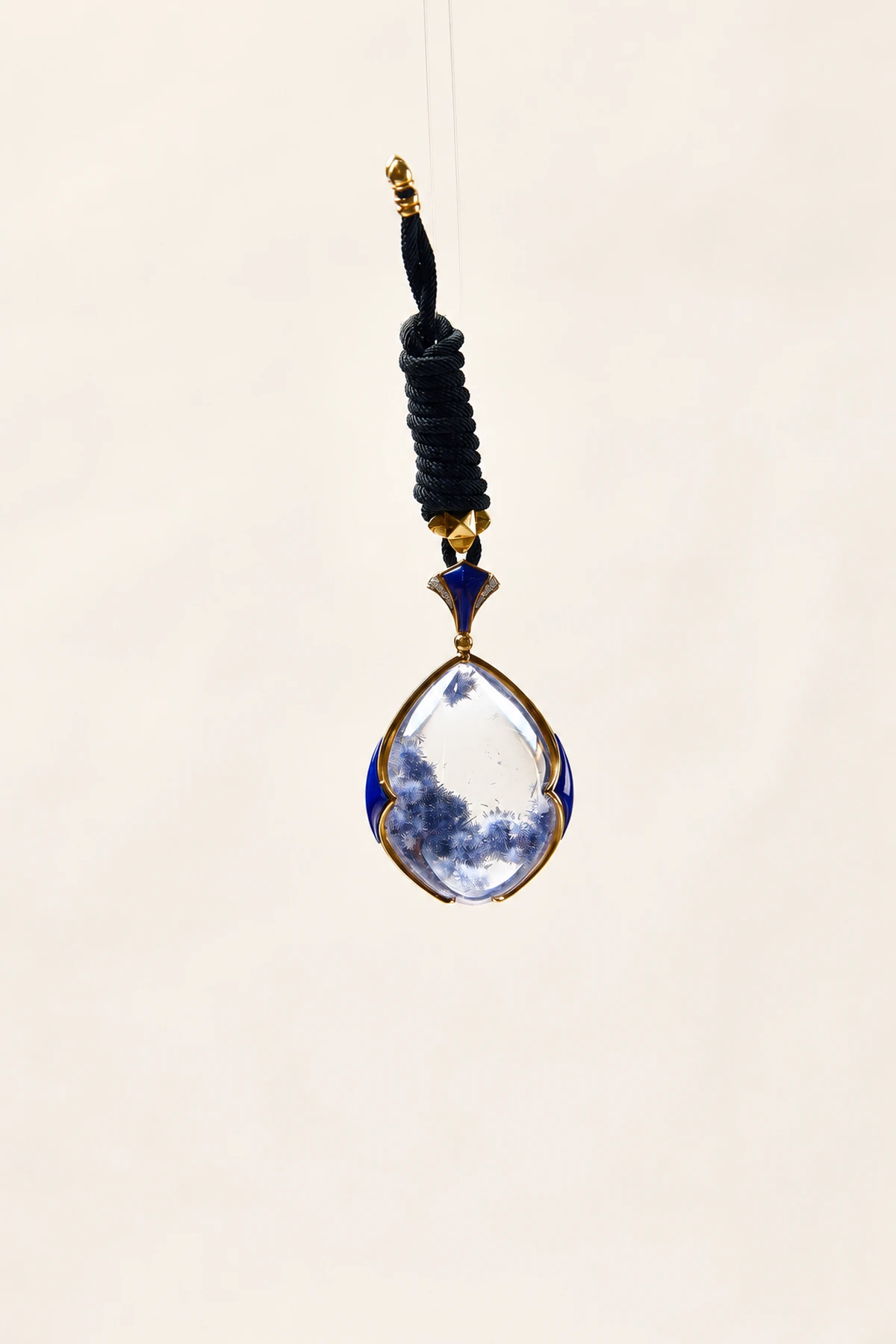
Blue Quartz
Blue quartz is used here as a broad visual label for blue-toned natural stone. A piece may look clear, softly veiled or visibly included; its precise material identification and care direction belong to the individual product.
Explore the stone →Reading natural variation
A marking is not a power, and difference is not automatically a flaw
Colour zoning, clouds, mineral inclusions and small surface differences may come from formation and finishing. They do not independently prove identity or value, but they do keep natural material from exact repetition.
Observe slowly in indirect natural light
Let the most delicate component set the care rule
Treat outcome-based claims with care
Consult a qualified gemmologist when identity is uncertain
Stone and handwork
From natural stone to a piece you can wear.
Discover AuriClare’s story and the carving practice Zheng Yan began in 1989.